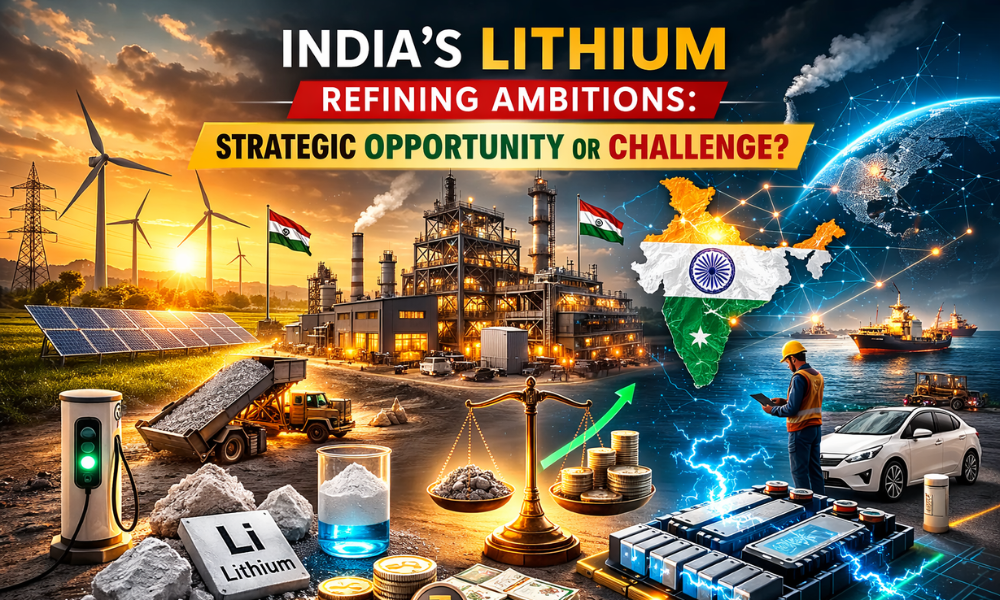
Green Hydrogen: Can India Become the Saudi Arabia of Clean Energy?
While the world is racing towards achieving net-zero emissions, green hydrogen is set to become the next big thing in the clean energy revolution. For India, this is a historic moment that will enable it to cut down its imports of fossil fuels and become the leader in the global energy transition. With plenty of renewable resources available and government support, India is poised to become a leading producer of hydrogen. The question is, will India become the Saudi Arabia of clean energy?
National Green Hydrogen Mission: Policy Vision and Global Ambition
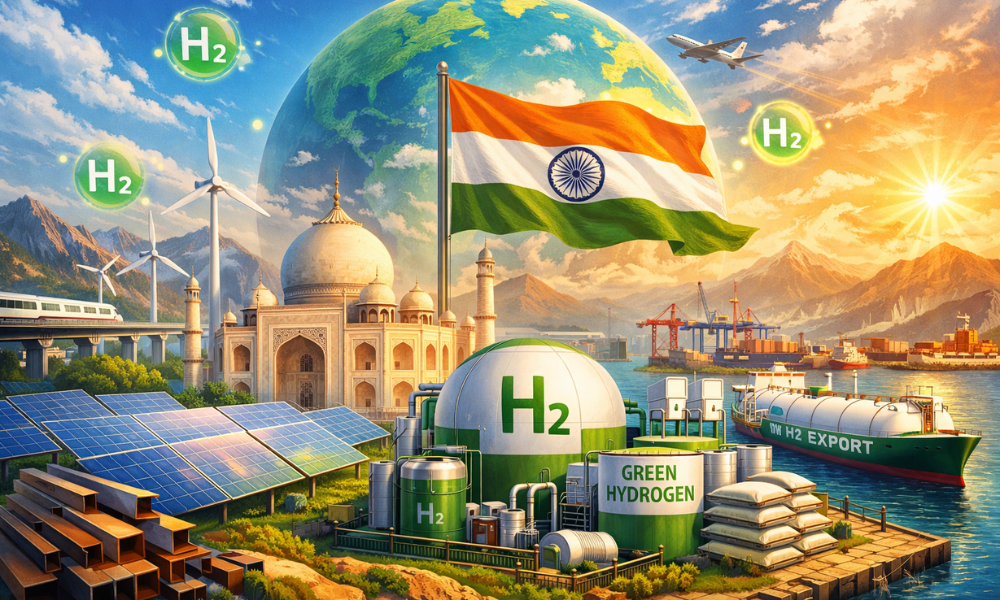
The green hydrogen mission in India gained momentum with the announcement of the National Green Hydrogen Mission in 2023. The mission has a vision to position India as a global leader in the production, use, and export of green hydrogen and its value-added products such as green ammonia. The mission targets the production of 5 million metric tons per annum of green hydrogen by 2030. The government is providing incentives for the development of electrolysers, renewable energy integration, and pilot projects. The financial assistance mechanisms include viability gap funding and production-linked incentives. The policy targets the development of hydrogen hubs, port infrastructure development, and research and development. The policy provides a strong foundation for the widespread adoption of green hydrogen in industries. This planned policy approach indicates that green hydrogen is no longer an R&D activity but a national energy vision.
Advantages for India’s Renewable Energy Development
India has a natural advantage when it comes to producing green hydrogen due to its rapidly growing renewable energy capacity. India is also one of the world’s leading producers of solar electricity, with some of the lowest solar prices globally. States such as Rajasthan and Gujarat have abundance of land availability and high level of solar irradiation, making them excellent sites for large renewable projects. In addition to this, coastal states provide India with an opportunity to export green hydrogen and green ammonia to countries like Europe and Japan, who are both very interested in this product. Furthermore, with India increasing its wind energy production, the country will be able to provide 24/7 renewable energy for the production of green hydrogen, which means that the production of green hydrogen will continue at a low cost. The lower the cost of renewable energy, the lower the cost of electrolysis; therefore, producing green hydrogen will also be more competitive in the international market. Finally, because India has a highly skilled engineering workforce and well-developed energy, India will have a large number of advantages over other countries when it comes to producing green hydrogen.
Industrial Demand: Decarbonizing Steel, Fertilizers, and Refineries
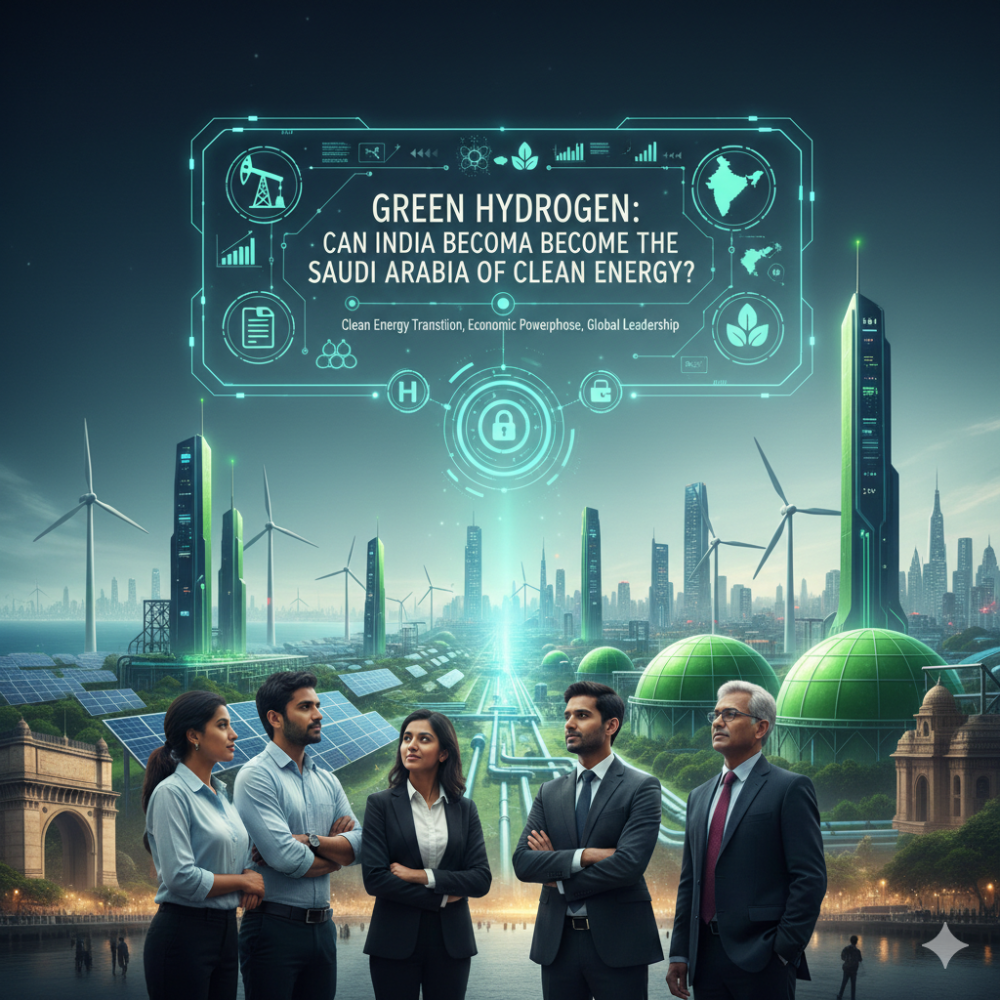
Decarbonizing the most carbon-intensive sectors of India’s economy will require finding alternatives to existing fuels such as coal and natural gas. Green hydrogen is an exciting opportunity to achieve low-carbon operation in the steel industry through a new technology called hydrogen-based direct reduction, allowing steel to be manufactured without CO2 emissions by utilizing hydrogen instead of coal. The fertilizer industry can also decarbonize by transitioning from grey hydrogen, derived from natural gas, to green hydrogen for producing ammonia as the primary feedstock. Much like refineries and petrochemical plants, which currently utilize hydrogen in their operations, many refineries and petrochemical plants have an opportunity to decarbonize by using renewable hydrogen as a direct replacement for fossil fuel-based hydrogen. Ultimately, through domestic demand alone, it would create a large internal marketplace that would allow producers to develop and deliver products (to customers) over an extended period of time. Furthermore, global companies may seek low-carbon supply chains when sourcing materials that are produced from green hydrogen, which creates an additional advantage for Indian exporters.
Challenges, Investments, and the Road Ahead
India has tremendous potential as a future world leader in green hydrogen; however, it will face considerable obstacles on the way to this goal. One of the biggest barriers to developing hydrogen is its high production cost relative to ‘grey’ hydrogen (the more commonly used source) due in no small part to the relatively expensive production equipment (electrolysers, solar PV panels, etc.) as well as the integration of renewable energy. In addition, there is limited infrastructure available for storing and transporting hydrogen making capital investments required for the construction of such facilities significant. There are also concerns around securing sufficient supply of water to produce hydrogen through electrolysis in certain regions of India. Therefore, even though India’s large corporate groups and international investors have committed billions of dollars to support constructing large-scale hydrogen production facilities within India, it will still take many years before we see the full impact of these investments on the development of hydrogen as a major energy source. In addition, important technological advancements will likely reduce production costs over time through economies of scale. Partnerships with Europe, the Middle East, and East Asia are also helping to create new markets for green hydrogen produced in India. If the right conditions exist for continued policy consistency, attracting private capital investment, etc., there is an excellent chance that India will ultimately emerge as a major player in the global clean hydrogen marketplace.
Conclusion
Green hydrogen is more than a clean fuel solution for India. It is a vision for the country to achieve energy independence and leadership in the clean economy globally. With the right policies in place, ample renewable resources, and growing investments from the private sector, India has all the ingredients to scale up quickly. If the vision is realized, the country can get closer to being the Saudi Arabia of clean energy in the coming years.