Modern & Innovative Technologies to Combat Water Shortage
Water scarcity is one of the most pressing global challenges of the 21st century. With increasing population, rapid urbanization, climate change, and mismanagement of water resources, many regions around the world are facing severe shortages of clean and safe water. Countries like India, especially semi-arid regions such as Gujarat, are experiencing declining groundwater levels and irregular rainfall patterns. To address this crisis, modern and innovative technologies are playing a crucial role in ensuring sustainable water management and availability.
Understanding the Water Crisis
Water shortage occurs when the demand for water exceeds the available supply. This can be due to natural causes such as drought, or human activities such as over-extraction of groundwater, pollution, and inefficient water usage. Agriculture, which consumes nearly 70% of freshwater globally, is a major contributor to water depletion when not managed efficiently. Additionally, industrial waste and untreated sewage contaminate existing water sources, further reducing usable water.
To overcome these challenges, a combination of traditional knowledge and advanced technologies is essential. Modern solutions not only help conserve water but also improve its quality and accessibility.
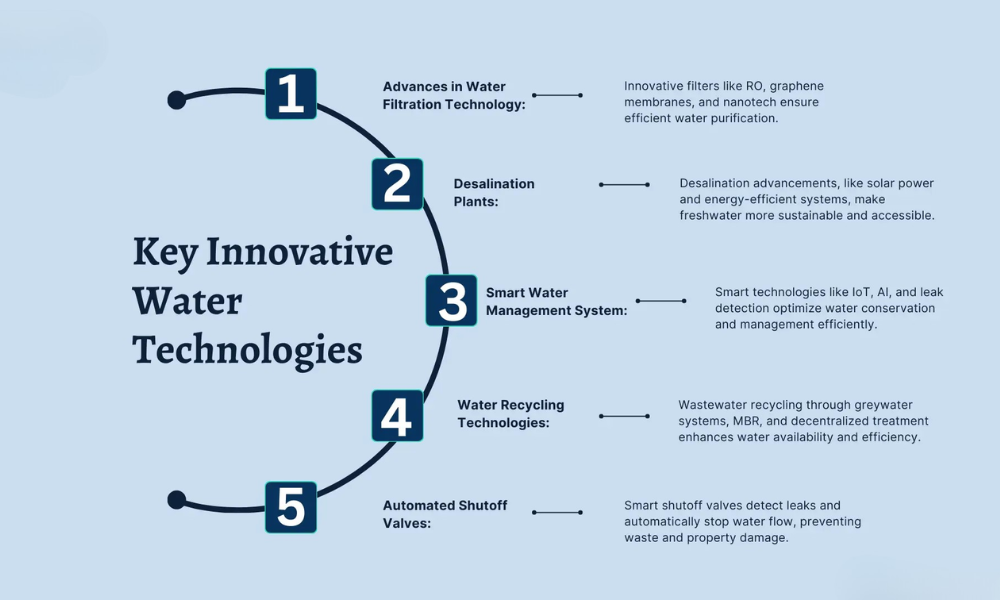
Desalination: Turning Seawater into Freshwater
One of the most effective modern technologies is desalination, which involves removing salt and impurities from seawater to make it suitable for drinking and irrigation. Countries like Saudi Arabia and Israel have successfully implemented large-scale desalination plants.
Advanced techniques such as reverse osmosis have made desalination more efficient and cost-effective. Although energy consumption remains a concern, innovations in renewable energy integration are helping reduce operational costs. Desalination is particularly beneficial for coastal areas facing acute water shortages.
Wastewater Treatment and Recycling
Recycling wastewater is another powerful solution to water scarcity. Modern treatment plants use advanced filtration and biological processes to purify sewage and industrial wastewater, making it reusable for agriculture, industrial use, and even drinking purposes in some cases.
Technologies such as membrane bioreactors (MBR) and ultraviolet (UV) disinfection ensure high-quality treatment. Cities around the world are increasingly adopting wastewater recycling systems to reduce dependence on freshwater sources. This approach not only conserves water but also minimizes environmental pollution.
Rainwater Harvesting Systems
Rainwater harvesting is a simple yet highly effective method to combat water shortage. Modern systems use advanced storage and filtration techniques to collect and store rainwater from rooftops and open spaces.
In urban areas, smart rainwater harvesting systems are integrated with sensors to monitor water levels and usage. This collected water can be used for domestic purposes, gardening, and groundwater recharge. Governments in many regions have made rainwater harvesting mandatory in new constructions to promote sustainable water usage.
Smart Irrigation Technologies
Agriculture being the largest consumer of water, improving irrigation efficiency is crucial. Smart irrigation systems use technologies like drip irrigation, sprinkler systems, and soil moisture sensors to optimize water usage.
Drip irrigation delivers water directly to the roots of plants, reducing wastage significantly. Additionally, IoT-based systems monitor weather conditions, soil moisture, and crop requirements to automate irrigation. This not only conserves water but also enhances crop yield and reduces costs for farmers.
Atmospheric Water Generation
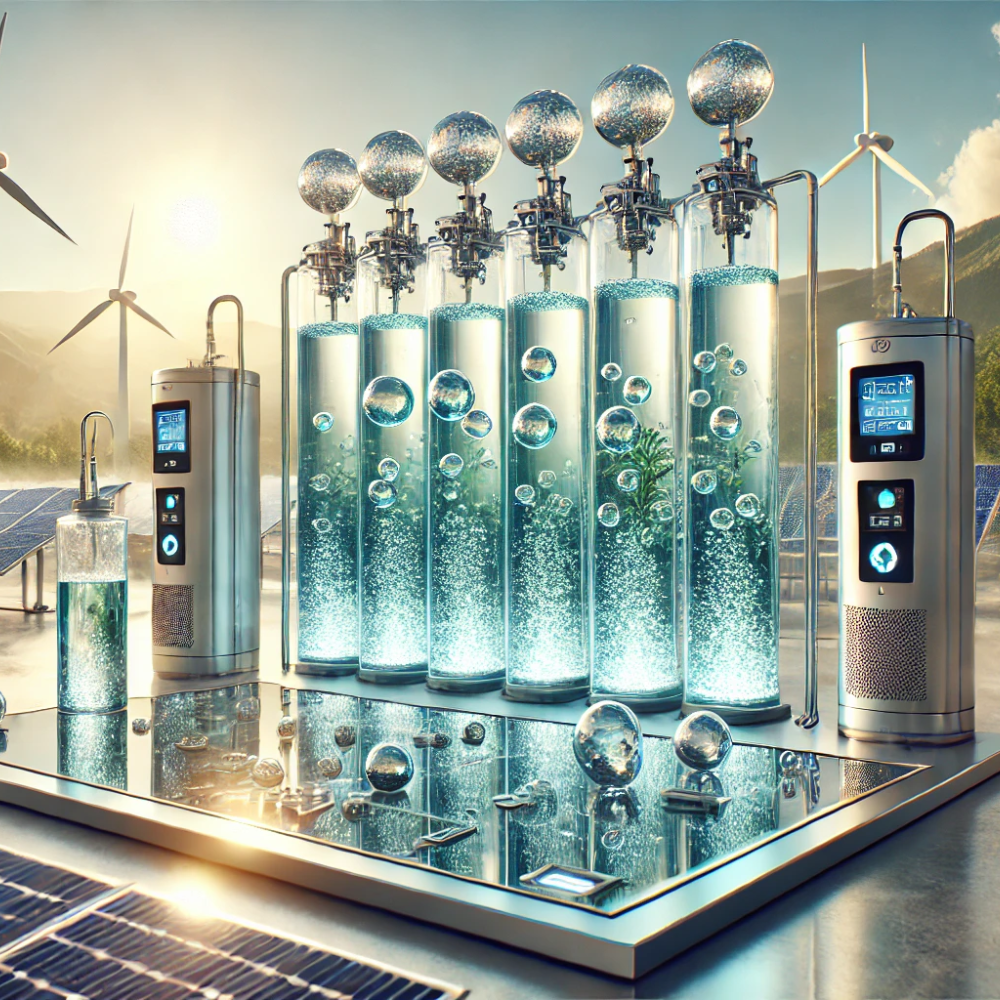
An innovative approach to water generation is extracting moisture from the air. Atmospheric Water Generators (AWGs) use cooling and condensation techniques to convert humidity into clean drinking water.
This technology is particularly useful in regions with high humidity but limited access to groundwater or freshwater sources. AWGs are being increasingly used in remote areas, disaster zones, and even urban households as an alternative water source.
Leak Detection and Smart Water Management
A significant amount of water is lost due to leakage in pipelines and inefficient distribution systems. Smart water management systems use sensors, data analytics, and IoT technologies to detect leaks and monitor water usage in real-time.
These systems help authorities identify problem areas quickly and reduce water loss. Smart meters installed in households also encourage responsible consumption by providing detailed insights into water usage patterns.
Water Purification Innovations
Access to clean drinking water is as important as availability. Modern purification technologies such as nanotechnology-based filters, UV purification, and advanced RO systems ensure safe and potable water.
Portable water purification devices are also gaining popularity, especially in rural and disaster-prone areas. These innovations help prevent waterborne diseases and improve overall public health.
The Role of Government and Community
While technology plays a vital role, effective implementation requires support from governments and communities. Policies promoting water conservation, subsidies for adopting modern technologies, and awareness campaigns are essential.
Community participation is equally important. Individuals can contribute by adopting water-saving habits, fixing leaks, reusing water, and installing rainwater harvesting systems. Collective efforts can significantly reduce the impact of water scarcity.
Future Prospects
The future of water management lies in integrating multiple technologies and adopting a holistic approach. Artificial Intelligence (AI) and Big Data are expected to revolutionize water resource planning by predicting demand, managing supply, and optimizing usage.
Research is also ongoing in areas such as solar-powered desalination, advanced filtration materials, and large-scale atmospheric water harvesting. These innovations hold great potential to provide sustainable solutions to the global water crisis.
Conclusion
Water scarcity is a serious challenge, but it is not insurmountable. Modern and innovative technologies offer practical and effective solutions to conserve, recycle, and generate water. From desalination and wastewater recycling to smart irrigation and atmospheric water generation, these advancements are transforming the way we manage water resources.
However, technology alone cannot solve the problem. A combined effort involving governments, industries, and individuals is essential to ensure sustainable water management. By embracing modern solutions and adopting responsible practices, we can secure a water-sufficient future for generations to come.